Wednesday, June 30, 2010

Comfrey: Comfy for Them Joints


Comfrey (Symphytum officinale) has been used for more than 150 years, both externally and internally, by probably millions of folks; it has been hailed as a miraculous herb for healing bones. Unfortunately, this miraculous herb is banned in many places, but you should understand its value and may want to secure some for yourself before it is gone everywhere. For our purposes, we will discuss the external application of comfrey only. If you cannot get comfrey, I will give you some useful substitutes that have also worked well for many. So make yourself comfy, and we’ll talk a little more about this herb.
First, take a look at some of comfrey’s values:
  • It helps the body to promote new cell growth.
  • It destroys and then prevents amoebic bacteria growth.
  • It’s very rich in trace minerals, calcium, potassium, phosphorus, iron, and vitamins A and C.
  • It has also been used successfully for burns, wounds, open sores, ulcers, and gangrene, and has an amazing ability to basically weld tissues together.
Because comfrey seems to accelerate tissue repair, soak your injured ankle or wrist into a large bowel or bucket of comfrey decoction to heal injuries quickly. If you have a hip or knee joint injury, for instance, a fomentation or a comfrey poultice would be more appropriate. For all-over joints (an Evel Knieval type) you can certainly make a tubful and soak in the bath!
Other supplements to consider when comfrey is not available include:
  • Glucosamine sulfite and chondroitin are supplements that have been used both together and separately to support the joints, with good results.
  • Calcium with magnesium and vitamin D works as a team to help you absorb the calcium and aid in bone healing.
  • Uña de gato (cat’s claw) or yucca both may help with any inflammation while you recover.
  • Reducing the inflammation usually will alleviate your pain, but if not, use white willow bark in place of aspirin.
  • A combination of yarrow (which reduces inner heat associated with injury), mullein, plantain, and rehmannia all have healing properties and support the structural system. If comfrey is not available, a mixture of any of the previously listed herbs will still support your recovery.

Cure for Joint Injuries


Joint injuries can happen to anyone due to a fall, playing vigorous sports, breakdancing, bungie-jumping the Brooklyn bridge, climbing the face of Mt. Rushmore, or during other normal activities. Our joints give us mobility, and when they are injured, we can feel very restricted and frustrated. You probably want to heal yourself as quickly as possible when you have an injured joint so that you can get back to those sports again.
But, slow down cowboy or girl—it is important to understand that if joint injuries are a common, recurring problem with you, there could be a deeper underlying problem to address. I know, you hyperactive sports types are now thinking, “Oh great, here we go again—she’s getting deep on me.” I’ll spare you the details this time around: If you just had your first joint injury and would like to help yourself fast-forward through the healing process, take a look at comfrey and the other supplements first. Then we’ll get back to the in-depth talk a little later.

Monday, May 31, 2010

Gentian, a Bitter Way to Treat Your Liver


An extremely bitter herb known as gentian (Gentiana lutea) has been used to support the liver, stomach, blood, spleen, and entire circulatory system. Gentian reduces liver congestion, promotes bile flow, and stimulates digestion. It is helpful for those in a weakened condition because it helps to strengthen the entire body and stimulates the appetite. Veterinarians have been known to administer gentian to their four-legged patients who have lost their appetite. Gentian is high in iron; the liver is considered an iron organ, and this may be why gentian has been helpful for liver conditions. A small amount of gentian taken before every meal will assist your body in breaking down fats. Take gentian in a combination of herbs because it is extremely bitter and may also have a strong laxative effect on you. It also has properties that serve as a cholagogue, meaning that it stimulates bile secretions. If its laxative effects aren’t working for you, make sure you are keeping the bowel clean with other fibers, such as psyllium hulls, or a bowel stimulant, such as cascara sagrada. Gentian is not recommended if you have ulcers.
Other herbs in a combination that will support the liver include: Oregon grape, red beet, dandelion, parsley, horsetail, liverwort, black cohosh, birch, blessed thistle, angelica, chamomile, and golden rod.

Accused of Obstruction of Jaundice


Find out from your doctor which type of jaundice you have. If it is obstructive jaundice, you probably will want to know if it is a reaction to a drug that may have caused damage to your liver, or if a stone in the bile ducts caused the obstruction. All this information will empower you to take better care of yourself once you recover so that you might never have to suffer the same ailment or related disease in the future.
If you have had jaundice because of gallstones, you can do a gallbladder flush on a quarterly basis to help your body break down stones before they get a chance to lodge somewhere again. However, in cases where there is an obstruction to bile flow, NEVER use herbs to try and stimulate the flow. This will only make matters worse. Also be sure to reduce the amount of fatty foods in your diet, especially fried foods. This will keep cholesterol from clogging up your system. Eat more red beets, which are stimulating to your liver. Also drink fresh carrot juice daily, with a small amount of beet added for a wonderful liver, gallbladder, and bowel tonic drink. Keeping the liver and bowel cleansed is imperative to your preventative measures. Use herbs as a fiber supplement to keep things moving along if you tend to get constipated. A colonic irrigation program will also help you stay on track. Add vitamin E with selenium to your daily program, as it is a nutrient that aids the circulatory system. Also add vitamin A or beta carotene (which will feed the liver) and a B-complex vitamin (which contains niacin to help keep the circulatory system clean).

Cure for Jaundice

If you have yellowish skin and eyes, and if it’s not Halloween and you’re not an alien, you may have jaundice. The yellow color indicates that excess bilirubin, a by-product of old blood cells, is floating around your blood stream (as you learned earlier, the skin reflects the condition of the blood).
Three classified types of jaundice exist:
  1. Obstructive jaundice: Caused by obstruction of the small ducts that allow bile to flow into the intestine. Often, gallstones are a cause of this problem. Symptoms include dark urine, pale feces, and itchy skin.
  2. Hepatocellular jaundice: Occurs because of a disease of the liver cells, which makes them unable to utilize the bilirubin. (Remember, the liver is a filter.) You may experience hepatocellular jaundice when and if you have hepatitis. Symptoms include dark urine, but the feces remains the same in color.
  3. Hemolytic jaundice: Occurs when a destruction of red cells occurs in the blood, such as in the disease hemolysis. With this type of jaundice, the color of the urine and feces remains the same, but the problem usually leads to anemia.
Hemolytic disease—and thus, jaundice—can happen to a newborn child because of the incompatibility of the mother’s blood and her baby’s blood. A blood test taken by your doctor early in your pregnancy can detect the possible problem, and it can be handled at that time. Now that you understand the three types of jaundice a little better, you can see that the first type is caused by problems in or of the gallbladder causing an obstruction of bile flow, the second is related more closely to the liver, and the last is a rare problem associated more closely with the blood. We will primarily discuss how to prevent gallstones that can cause a problem in the first place. Let’s take a look.

Friday, April 30, 2010

More Ways to Cure Insomnia


Melatonin is a controversial hormone used successfully by many to regulate sleep cycles, especially when traveling, and for jet lag. Melatonin is made by your own pineal gland located in the brain and is the hormone believed to be responsible for your sleep/wake cycles, aging, and maybe even your dreams. Usually, supplements are made synthetically or from the pineal gland of a cow. Sunlight suppresses the brain’s production of melatonin, but when the sun goes down, melatonin production picks up, and makes you sleepy.
Supplementing with this hormone just before bed can help you—especially if you are over 50, when the production of this hormone seems to slow down.
Magnesium and calcium feed the nervous systems, among other things, and may help you get a better night’s rest. Because all the minerals in your body need balance, you can use a trace mineral supplement to make sure you are getting everything you need. Other herbs that work synergistically with scullcap include valerian, passion flower, and hops. Sip a nice warm cup of chamomile tea or any combination of these other herbs to help you relax and sleep.

Scullcap: Good for a Night Cap


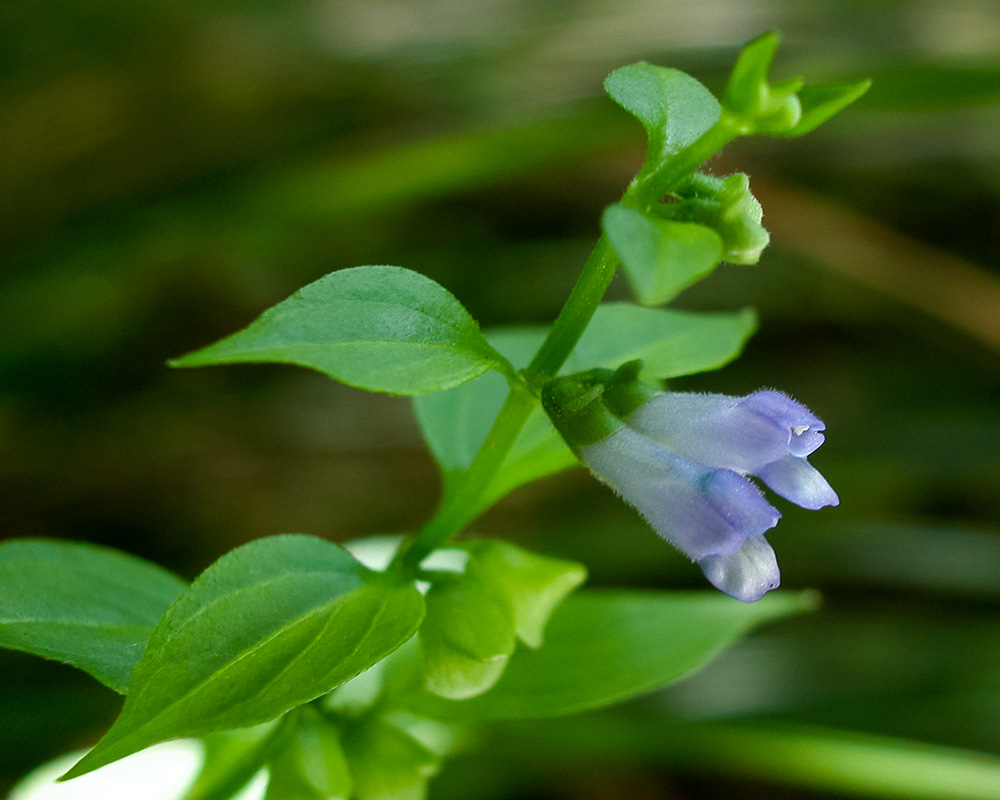
Scullcap (Scutellaria lateriflora) stimulates the brain to produce endorphins (commonly referred to as “feel-good hormones”), which not only can help you sleep, but also may ease your worry that could be keeping you up. Try a few capsules before bedtime to help you get your zzz’s.
Scullcap has been used historically in treatment of convulsions, delirium, emotional trauma, spasms, and restlessness. It also is used as an aphrodisiac (appropriate for this chapter!), so why not offer some to your partner if you both are lying there awake. Skullcap might be beneficial in giving you both something to do with that insomnia!
Scullcap presumably got its name from its appearance—the flower resembles a skull with a hood. Pagan ceremonies have used scullcap as a potion to be exchanged between partners who wished to be together in the afterlife.
Scullcap contains zinc, calcium, magnesium, and potassium. It also contains moderate amounts of vitamins A, C, and E, as well as manganese, silicon, phosphorus, iron, selenium, niacin, and trace amounts of sodium.