Monday, May 31, 2010

Accused of Obstruction of Jaundice


Find out from your doctor which type of jaundice you have. If it is obstructive jaundice, you probably will want to know if it is a reaction to a drug that may have caused damage to your liver, or if a stone in the bile ducts caused the obstruction. All this information will empower you to take better care of yourself once you recover so that you might never have to suffer the same ailment or related disease in the future.
If you have had jaundice because of gallstones, you can do a gallbladder flush on a quarterly basis to help your body break down stones before they get a chance to lodge somewhere again. However, in cases where there is an obstruction to bile flow, NEVER use herbs to try and stimulate the flow. This will only make matters worse. Also be sure to reduce the amount of fatty foods in your diet, especially fried foods. This will keep cholesterol from clogging up your system. Eat more red beets, which are stimulating to your liver. Also drink fresh carrot juice daily, with a small amount of beet added for a wonderful liver, gallbladder, and bowel tonic drink. Keeping the liver and bowel cleansed is imperative to your preventative measures. Use herbs as a fiber supplement to keep things moving along if you tend to get constipated. A colonic irrigation program will also help you stay on track. Add vitamin E with selenium to your daily program, as it is a nutrient that aids the circulatory system. Also add vitamin A or beta carotene (which will feed the liver) and a B-complex vitamin (which contains niacin to help keep the circulatory system clean).

Cure for Jaundice

If you have yellowish skin and eyes, and if it’s not Halloween and you’re not an alien, you may have jaundice. The yellow color indicates that excess bilirubin, a by-product of old blood cells, is floating around your blood stream (as you learned earlier, the skin reflects the condition of the blood).
Three classified types of jaundice exist:
  1. Obstructive jaundice: Caused by obstruction of the small ducts that allow bile to flow into the intestine. Often, gallstones are a cause of this problem. Symptoms include dark urine, pale feces, and itchy skin.
  2. Hepatocellular jaundice: Occurs because of a disease of the liver cells, which makes them unable to utilize the bilirubin. (Remember, the liver is a filter.) You may experience hepatocellular jaundice when and if you have hepatitis. Symptoms include dark urine, but the feces remains the same in color.
  3. Hemolytic jaundice: Occurs when a destruction of red cells occurs in the blood, such as in the disease hemolysis. With this type of jaundice, the color of the urine and feces remains the same, but the problem usually leads to anemia.
Hemolytic disease—and thus, jaundice—can happen to a newborn child because of the incompatibility of the mother’s blood and her baby’s blood. A blood test taken by your doctor early in your pregnancy can detect the possible problem, and it can be handled at that time. Now that you understand the three types of jaundice a little better, you can see that the first type is caused by problems in or of the gallbladder causing an obstruction of bile flow, the second is related more closely to the liver, and the last is a rare problem associated more closely with the blood. We will primarily discuss how to prevent gallstones that can cause a problem in the first place. Let’s take a look.

Friday, April 30, 2010

More Ways to Cure Insomnia


Melatonin is a controversial hormone used successfully by many to regulate sleep cycles, especially when traveling, and for jet lag. Melatonin is made by your own pineal gland located in the brain and is the hormone believed to be responsible for your sleep/wake cycles, aging, and maybe even your dreams. Usually, supplements are made synthetically or from the pineal gland of a cow. Sunlight suppresses the brain’s production of melatonin, but when the sun goes down, melatonin production picks up, and makes you sleepy.
Supplementing with this hormone just before bed can help you—especially if you are over 50, when the production of this hormone seems to slow down.
Magnesium and calcium feed the nervous systems, among other things, and may help you get a better night’s rest. Because all the minerals in your body need balance, you can use a trace mineral supplement to make sure you are getting everything you need. Other herbs that work synergistically with scullcap include valerian, passion flower, and hops. Sip a nice warm cup of chamomile tea or any combination of these other herbs to help you relax and sleep.

Scullcap: Good for a Night Cap


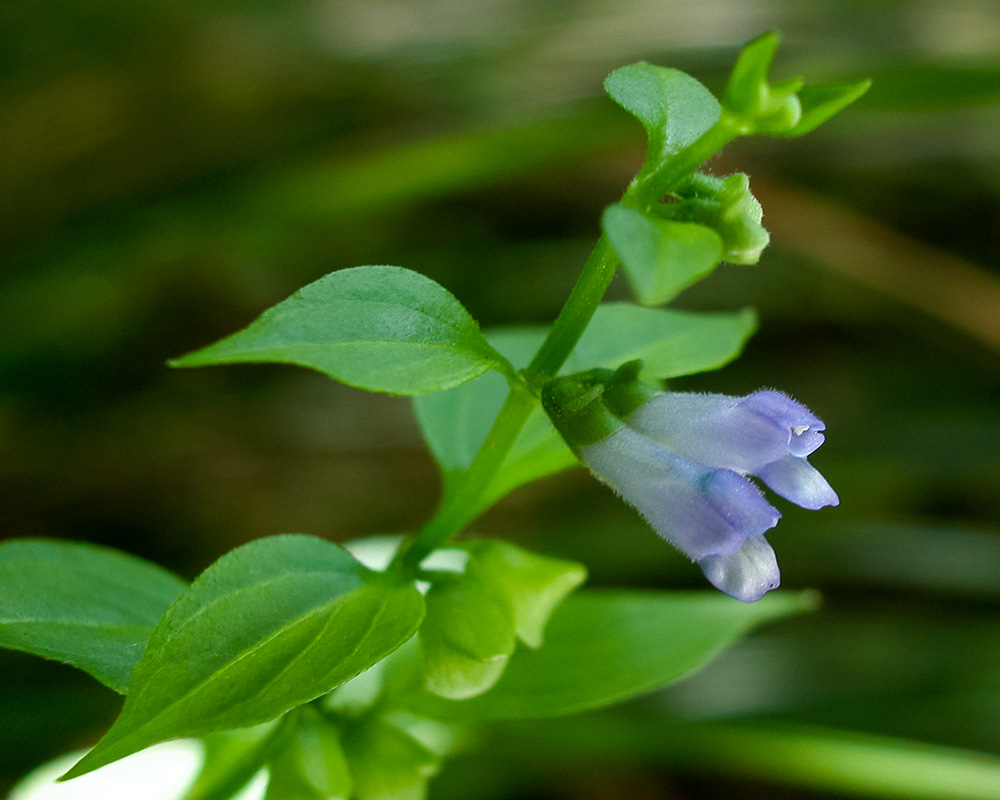
Scullcap (Scutellaria lateriflora) stimulates the brain to produce endorphins (commonly referred to as “feel-good hormones”), which not only can help you sleep, but also may ease your worry that could be keeping you up. Try a few capsules before bedtime to help you get your zzz’s.
Scullcap has been used historically in treatment of convulsions, delirium, emotional trauma, spasms, and restlessness. It also is used as an aphrodisiac (appropriate for this chapter!), so why not offer some to your partner if you both are lying there awake. Skullcap might be beneficial in giving you both something to do with that insomnia!
Scullcap presumably got its name from its appearance—the flower resembles a skull with a hood. Pagan ceremonies have used scullcap as a potion to be exchanged between partners who wished to be together in the afterlife.
Scullcap contains zinc, calcium, magnesium, and potassium. It also contains moderate amounts of vitamins A, C, and E, as well as manganese, silicon, phosphorus, iron, selenium, niacin, and trace amounts of sodium.

Insomnia: Waking Up to Herbal Possibilities


So, seen any great infomercials lately? If you have, this could mean that you are watching TV between 2 A.M. and 4 A.M., a sure sign of insomnia. And if those infomercials didn’t put you to sleep, maybe some of these herbs will do. Who knows—once you find the value of using herbs for your health, you could be the next one to star in an infomercial for your own herbal concoction!

Wednesday, March 31, 2010

Slippery Elm: Soothing Solution


If I had irritable bowel syndrome and had only one herb to choose, I would have to choose slippery elm (Ulmus fulva). Slippery elm is an herb derived from the inner bark of the elm tree and is a very mucilaginous (literally, slippery) herb. Similar to marshmallow in its effects, these two can be used in place of each other. Slippery elm, marshmallow, dong quai, and wild yam all offer very soothing and muscle-relaxing effects to the body, which help with colitis by soothing irritated tissues and relaxing muscle contractions. You can add some ginger capsules or tea to support digestive trouble and nausea, and lobelia in small quantities for a relaxing effect.

Irritating Causes


Scientists are finding that our nervous system has direct influence on other systems of the body, such as the immune system, digestion, and the intestines. Thus, dealing with the source of your stress that could be causing your bowel trouble would be helpful in getting rid of this condition.
Food allergies are also a big culprit when it comes to colitis and irritable bowel. See an allergist or a holistic health provider who can help you determine your allergies. Eliminate wheat and dairy, for starters, since many are allergic to these foods.
More natural help for a spastic bowel:
  • Magnesium is a mineral that is soothing to the muscles and also the nerves. Taking magnesium will nourish and relax your nerves and also your bowel—this is probably why the anti-diarrhea medication known as Milk of Magnesia® works for the bowel.
  • Activated charcoal in capsules will help absorb any toxins that might be causing the irritable bowel. I always keep some in my herbal medicine cabinet for poisonings of any kind.
  • Peppermint oil can aid digestion, and a little dab on the tongue can help ease the problem.

Your body could be short of the good intestinal bacteria lactobacillus acidophilus and bifidobacterium (more commonly known as acidophilus and bifidophilus), especially if you have had diarrhea for a while. Supplementing with these bacteria will help bring the bowel into better balance. Eliminate any food source that seems to trigger symptoms. Make a warm lobelia fomentation and place it over the lower bowel to help settle those spastic contractions.